The Intersection of Engineering and Injection Molding in Electronics Housing
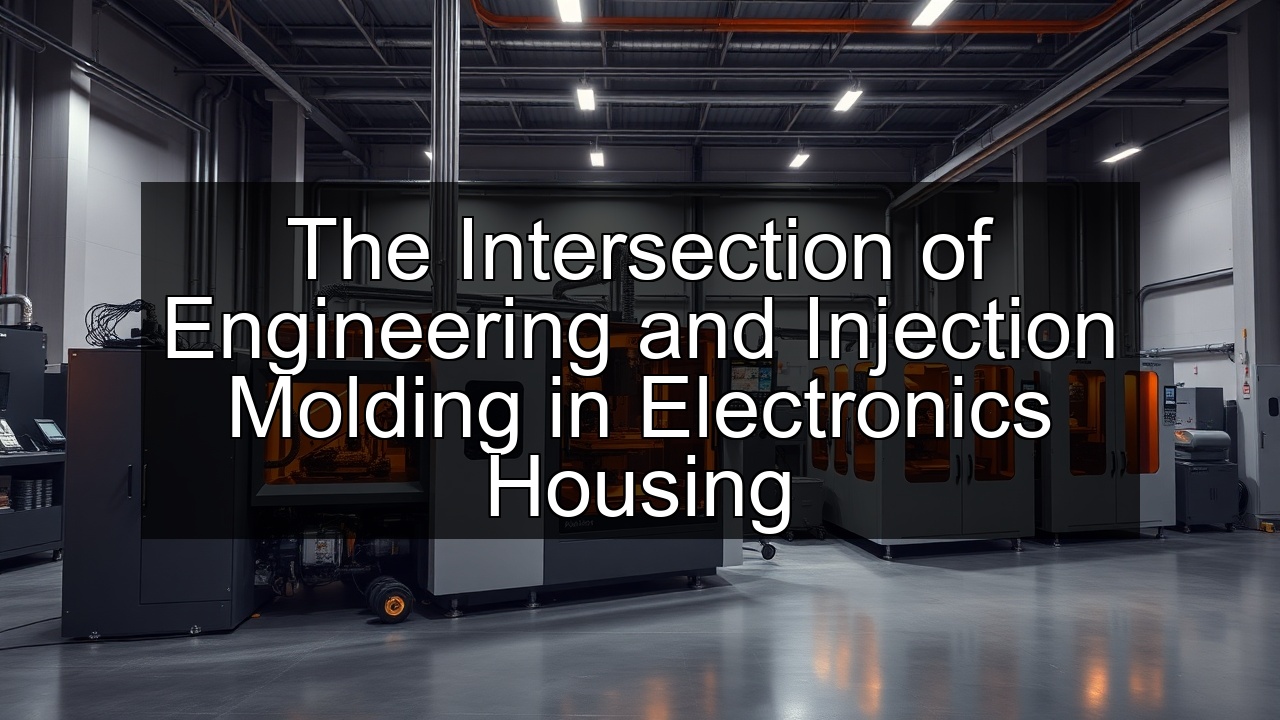
Understanding Electronics Housing Injection Molding
The Role of Injection Molding in Electronics
Injection molding serves as a cornerstone in the production of electronics housing. This manufacturing process allows engineers to create complex shapes and designs efficiently, ensuring that electronic devices are both functional and aesthetically pleasing. By injecting molten plastics into a mold, manufacturers can produce components with tight tolerances and consistent quality. Electronics housing injection molding plays a critical role in protecting sensitive components from environmental factors like moisture and dust, while also shielding users from electrical hazards. The precision offered by injection molding enables the creation of intricate features that enhance usability, such as button placements and ventilation openings, making it an essential technique for modern electronics.
Materials Used in Electronics Housing: HDPE and Nylon
High-density polyethylene (HDPE) and nylon are two popular materials used in electronics housing due to their unique properties and performance characteristics. HDPE, known for its strength and resistance to impact, is often employed in applications requiring durability and chemical resistance. Its lightweight nature contributes to lower shipping costs and ease of handling during assembly. On the other hand, nylon offers excellent flexibility and thermal stability, making it suitable for intricate designs where resilience and durability are essential. Both materials can withstand the rigors of everyday use, making them ideal choices for electronics casing injection molding. Choosing the right material involves considering factors like cost, performance, and the specific requirements of the electronic device.
Advantages of Injection Molded Electronics Housing
Injection molded electronics housing presents numerous advantages that enhance both manufacturing efficiency and product quality. The ability to produce large volumes of consistent parts reduces production costs significantly, allowing companies to meet market demands swiftly. This method also supports complex geometries that might be difficult or impossible to achieve with other manufacturing processes. Additionally, injection molding minimizes material waste, making it an environmentally friendly option. The rapid cycle times associated with injection molding enable quick prototyping and faster time-to-market for new electronic devices. Furthermore, the seamless integration of features like snaps, clips, and mounting brackets directly into the housing design streamlines assembly processes and reduces the need for additional components.
Design Considerations for Electronics Housing
Engineering Concepts in Injection Molding
Engineering concepts play a pivotal role in the design of electronics housing for injection molding. Understanding material flow, cooling rates, and shrinkage factors is crucial for creating effective molds that yield high-quality parts. Designers must consider the thermal properties of materials like HDPE and nylon, as these influence how the electronics housing will behave during manufacturing and in real-world applications. Factors such as wall thickness, draft angles, and gate locations significantly affect the injection molding process. By applying principles of mechanical engineering, designers ensure that the final product not only meets aesthetic criteria but also withstands the operational stresses experienced by electronic devices. Effective collaboration between engineers and designers leads to optimized solutions that enhance product functionality.
Creating Durable and Functional Electronics Casings
Creating durable and functional electronics casings involves a blend of engineering precision and design creativity. The electronics housing must not only protect internal components but also facilitate user interaction. Engineers focus on integrating features that enhance usability, such as ergonomic shapes and intuitive layouts. The choice of materials, such as HDPE and nylon, provides a balance between durability and flexibility, ensuring that the housing can absorb shocks and resist wear over time. Additionally, considering environmental factors such as heat dissipation and moisture intrusion is vital for the longevity of electronic devices. By prioritizing these aspects during the design phase, manufacturers can produce electronics housing that meets the rigorous demands of modern technology.
Impact of Design on Manufacturing Efficiency
The design of electronics housing significantly impacts manufacturing efficiency. Thoughtful design choices can lead to streamlined production processes, reducing cycle times and minimizing defects. For example, incorporating features that simplify assembly can lower labor costs and increase throughput. Designers must also account for the capabilities of injection molding, ensuring that the designs are optimized for the chosen materials and manufacturing techniques. Effective communication between design and manufacturing teams fosters a collaborative environment where innovative ideas can flourish. By focusing on manufacturability from the outset, companies can achieve a balance between aesthetic appeal and production efficiency, ultimately driving profitability and market success.
Applications of Injection Molding in Electronics Housing
Case Studies of Successful Injection Molded Electronics
Numerous case studies highlight the successful application of injection molding in electronics housing. Major technology companies have leveraged this process to create electronic housing molding housing for devices ranging from smartphones to laptops. For instance, brands known for their consumer electronics often utilize injection molding to produce lightweight and durable casings that protect sensitive components while maintaining sleek designs. These cases undergo rigorous testing to ensure they meet industry standards for impact resistance and heat dissipation. Additionally, innovative companies have explored the use of recycled plastics in their injection molded electronics housing, contributing to sustainability efforts in the industry. These case studies demonstrate the versatility and effectiveness of injection molding in producing high-quality electronics housings.
Innovations in Electronics Housing Design
Innovations in electronics housing design continue to emerge, driven by advancements in materials and manufacturing technologies. The integration of smart materials that can change properties based on environmental conditions offers exciting possibilities for the future of electronics housing. Furthermore, advancements in 3D printing techniques complement injection molding by allowing rapid prototyping and testing of new designs. This iterative approach enables designers to refine their concepts quickly and efficiently. Moreover, the growing trend of user-centered design emphasizes the importance of ergonomics and functionality, leading to more intuitive electronics housing. These innovations not only enhance the user experience but also pave the way for new applications in the electronics industry.
Future Trends in Electronics Injection Molding
Future trends in electronics injection molding point towards greater customization, sustainability, and efficiency. As consumer preferences shift towards personalized products, manufacturers are exploring modular designs that allow for easy upgrades and repairs. This trend aligns with the growing emphasis on sustainability, as it reduces electronic waste and encourages longer product lifespans. The adoption of electronics housing injection advanced simulation software aids in optimizing designs and predicting manufacturing outcomes, reducing the likelihood of costly errors. Additionally, the integration of automation and robotics into the injection molding process promises to enhance production speed and precision. As the electronics industry evolves, injection molding will continue to play a central role in shaping the future of electronics housing, driving innovation and meeting the demands of a dynamic market.