Sustainable Practices in Industrial Dehumidification
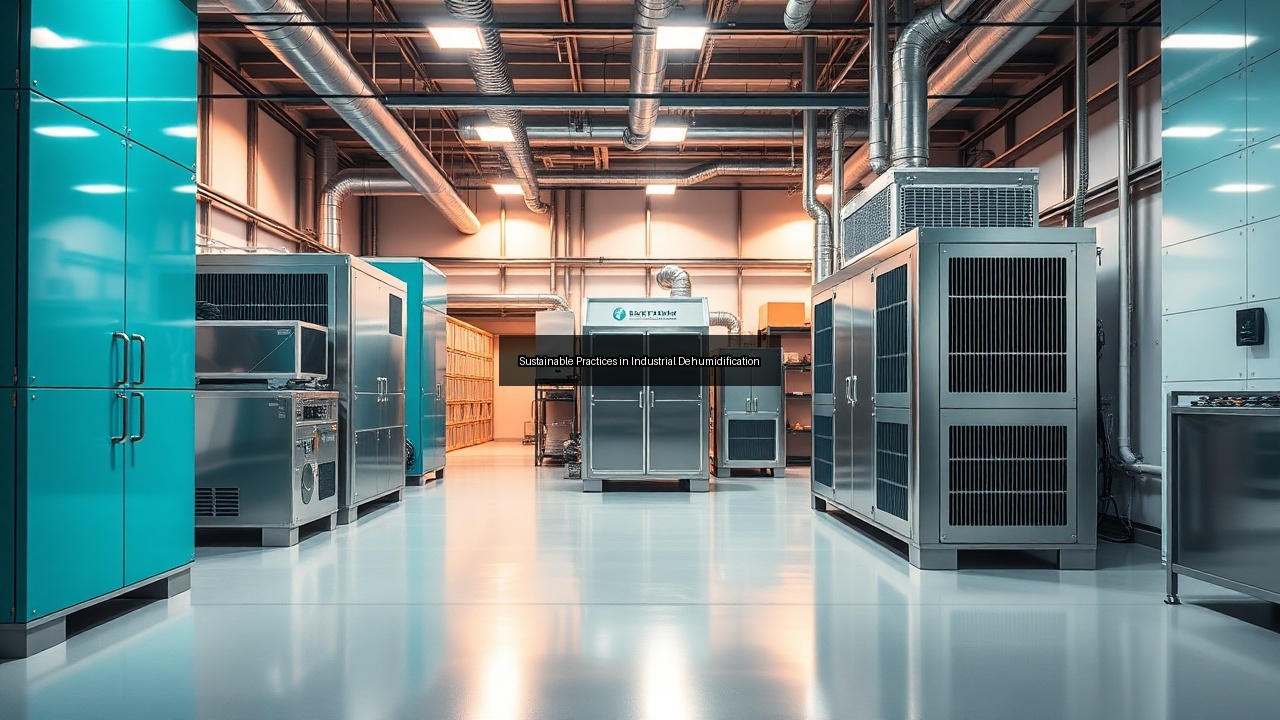
Understanding Industrial Dehumidification
The Role of Dehumidifiers in Climate Control
Industrial dehumidifiers play a crucial role in maintaining climate control across various sectors. They manage humidity levels effectively, preventing moisture-related issues that can harm products and processes. By reducing air moisture, these devices help create an optimal environment for manufacturing, storage, and even transportation. Industries utilize dehumidification to enhance product quality, minimize spoilage, and ensure compliance with stringent regulations. A well-functioning industrial dehumidifier contributes significantly to a facility’s overall efficiency, leading to energy savings and improved operational performance. The precise control of humidity levels ensures that companies can maintain the integrity of their processes and products.
How Dehumidification Affects Dew Points
Understanding dew points is vital in the context of industrial dehumidification. The dew point represents the temperature at which air becomes saturated with moisture, leading to condensation. By employing industrial dehumidifiers, businesses can lower the dew point, effectively keeping moisture in check. This process prevents condensation on surfaces, which is particularly crucial in industries dealing with sensitive materials. For instance, in the pharmaceutical industry, maintaining a low dew point is essential to preserve dehumidifying the integrity of medications. By managing dew points through effective dehumidification, industries can mitigate risks associated with moisture-related damage, ensuring product safety and quality.
Types of Dehumidifiers Used in Industry
Various types of dehumidifiers serve industrial applications, each engineered for specific environments and moisture removal needs. Refrigerant dehumidifiers utilize cooling coils to condense moisture from the air, making them suitable for areas with moderate humidity levels. These units often excel in HVAC systems. On the other hand, desiccant dehumidifiers employ hygroscopic materials to absorb moisture, making them ideal for low-temperature environments or where precise humidity control is necessary. Understanding the differences between these types of dehumidifiers enables industries to select the right equipment for their unique needs, ensuring efficiency and effectiveness in moisture management.
Sustainable Practices in Industrial Dehumidification
Energy-Efficient Technologies in Dehumidifiers
Adopting energy-efficient technologies in industrial dehumidifiers significantly contributes to sustainability efforts. Modern dehumidifiers utilize advanced features, such as variable speed blowers, to optimize airflow and energy consumption. dehumidifiers for industrial locations These technologies adjust the performance of the dehumidifier based on real-time humidity levels, ensuring that energy is not wasted. Additionally, many new models incorporate eco-friendly refrigerants that have a lower environmental impact. By prioritizing energy efficiency, industries can reduce their carbon footprint while maintaining effective climate control. Investing in energy-efficient dehumidifiers not only supports sustainability goals but also leads to substantial cost savings on energy bills in the long run.
Desiccant vs. Refrigerant Dehumidifiers
Choosing between desiccant and refrigerant dehumidifiers involves understanding their unique benefits and suitability for various applications. Desiccant dehumidifiers excel in low-humidity environments and are often preferred for sensitive industries, such as pharmaceuticals and electronics. Their ability to operate effectively at lower temperatures makes them advantageous in these settings. Conversely, refrigerant dehumidifiers are typically more energy-efficient in moderate humidity conditions, making them ideal for general industrial applications. Both types have roles in sustainable practices; however, selecting the right one based on specific needs can enhance overall efficiency and resource conservation in industrial operations.
Optimizing Air Moisture Levels for Sustainability
Optimizing air moisture levels is key to sustainable industrial operations. Proper dehumidification ensures that humidity remains within ideal ranges, which helps preserve product quality and extends shelf life in industries like food packaging. Managing humidity effectively can also prevent equipment damage and reduce maintenance needs, leading to fewer resource expenditures. Regular monitoring of humidity levels enables facilities to adjust their dehumidification systems proactively, enhancing their sustainability profile. Moreover, integrating smart technology can facilitate real-time adjustments and improve efficiency, contributing to a greener operational footprint. By focusing on optimal moisture management, industries can achieve sustainability goals while maintaining productivity.
Applications and Benefits of Industrial Dehumidifiers
Impact on the Pharmaceutical Industry
The pharmaceutical industry heavily relies on industrial dehumidifiers to maintain stringent quality control. High humidity levels can compromise the stability and effectiveness of medications, leading to significant financial losses and potential health risks. Dehumidifiers help maintain controlled environments that prevent moisture-related degradation of sensitive compounds. Additionally, by controlling humidity, pharmaceutical companies ensure compliance with regulatory standards, which is critical for product approval. The investment in reliable dehumidification not only safeguards product integrity but also builds trust with consumers and regulatory bodies alike. In this way, industrial dehumidifiers play an essential role in the pharmaceutical sector, enhancing both safety and efficacy.
Enhancing Food Packaging with Dehumidification
Dehumidification significantly improves the food packaging process, extending the shelf life of perishable goods. High humidity can lead to mold growth, spoilage, and degradation of packaging materials. By employing industrial dehumidifiers, food manufacturers can control moisture levels during production and packaging, maintaining optimal conditions for food preservation. This not only reduces waste but also enhances the overall quality of food products reaching consumers. The ability to maintain precise humidity levels allows manufacturers to tailor their packaging solutions to specific products, ensuring freshness and taste. Investing in effective dehumidification techniques results in a more sustainable food supply chain.
Protecting Electronics through Climate Control
The electronics industry faces unique challenges when it comes to moisture management. Excessive humidity can damage sensitive components and lead to failures. Industrial dehumidifiers provide essential climate control, ensuring that production environments remain conducive to high-quality manufacturing. Maintaining optimal air moisture levels protects against electrostatic discharge and corrosion, both of which can ruin electronic devices. By implementing robust dehumidification strategies, manufacturers not only safeguard their products but also enhance their reputation in the market. The investment in industrial-grade dehumidifiers translates into long-term benefits, reducing returns and increasing customer satisfaction.
Troubleshooting and Maintenance for Optimal Performance
Common Issues with Industrial Dehumidifiers
Even the best industrial dehumidifiers can experience issues that affect performance. Common problems include inadequate moisture removal, unusual noises, and fluctuating humidity levels. Inadequate moisture removal may stem from clogged filters or improperly sized units, while unusual noises can indicate mechanical problems. Fluctuating humidity levels often result from poor airflow or malfunctioning sensors. Identifying these issues promptly ensures that dehumidifiers maintain optimal performance, preventing costly downtime and inefficiencies. Regular monitoring and maintenance are essential to address these challenges before they escalate into significant operational disruptions.
Effective Troubleshooting Techniques
Effective troubleshooting requires a systematic approach to identifying and resolving dehumidifier issues. Begin by checking the power supply and ensuring that the unit is operational. Inspect filters for clogs, as dirty filters can significantly hinder performance. Next, assess airflow by examining ductwork and blower operation. If humidity levels fluctuate, recalibrating sensors may provide a solution. Keeping detailed records of performance data can aid in diagnosing recurring issues. When necessary, consult the manufacturer’s guidelines or engage a professional technician for complex problems. This proactive approach to troubleshooting minimizes disruptions and enhances the longevity of the dehumidification system.
Maintaining CFM Levels for Efficiency
Maintaining optimal cubic feet per minute (CFM) levels is critical for the efficiency of industrial dehumidifiers. CFM measures the volume of air circulated by the unit, directly impacting moisture removal capabilities. To ensure efficiency, regularly clean and replace filters, which can obstruct airflow. Proper sizing of the dehumidifier for the specific application also plays a vital role; undersized units struggle to maintain desired humidity levels, while oversized units can cycle on and off too frequently, wasting energy. Monitoring and adjusting CFM levels not only enhances dehumidification performance but also supports overall energy efficiency in industrial settings.
See Also
- Understanding Dew Points and Their Impact on Dehumidification
- Understanding the Cost Benefits of Investing in Industrial Dehumidifiers
- Innovative Features of Modern Industrial Dehumidifiers
- The Science Behind Effective Dehumidifying in Industrial Environments
- Why Your Facility Needs an Industrial Dehumidifier for Peak Efficiency