Prototyping to Production How Contract Assembly Services Bridge the Gap
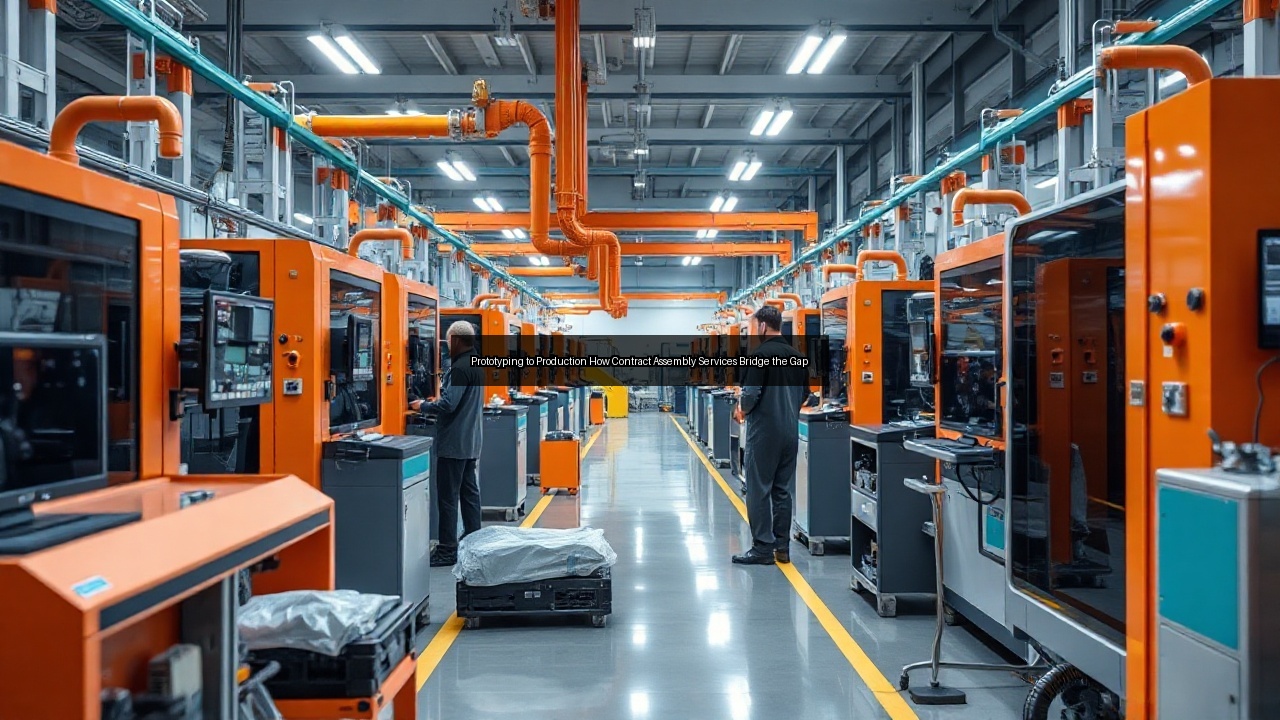
Understanding Contract Assembly Services
What Are Contract Assembly Services?
Contract assembly services encompass a range of specialized manufacturing processes where a company hires another firm, known as a contract manufacturer, to produce its products or components. This approach allows businesses to focus on their core competencies while outsourcing the complexities of manufacturing. Contract assembly providers typically offer a variety of services, including fabrication, assembly, packaging, and even logistics management. By leveraging the capabilities of expert manufacturers, companies can streamline their production processes and enhance overall operational efficiency. The flexibility of contract assembly services enables businesses to adjust quickly to market demands without the significant investment required for in-house production facilities.
Key Benefits of Outsourcing to Contract Manufacturers
Outsourcing to contract manufacturers presents numerous benefits that can significantly enhance a company’s production capabilities. One of the primary advantages is cost management. By utilizing contract assembly services, businesses can reduce overhead costs associated with maintaining in-house manufacturing facilities. This not only lowers operational expenses but also allows companies to allocate resources more strategically toward product development and marketing. Furthermore, contract manufacturers often possess advanced technology and expertise in lean manufacturing principles, which can improve production efficiency and quality. These manufacturers also have established supply chains, enabling quicker turnaround times and scalability as demand fluctuates. In short, leveraging contract assembly services promotes both financial and operational advantages.
The Role of Expertise in Contract Assembly
Expertise plays a crucial role in the success of contract assembly services. Contract manufacturers employ skilled professionals who bring years of experience in various fields, including engineering and logistics. Their knowledge ensures that products are designed and assembled to meet strict quality control standards and industry regulations, such as ISO 9001 compliance. This level of expertise not only enhances product quality but also reduces the risk of errors during production. Additionally, contract manufacturers often stay updated with the latest manufacturing technologies and methodologies, allowing businesses to benefit from innovative practices that improve efficiency and reduce costs. By partnering with experts in the field, companies can ensure that their products are not only manufactured to high standards but are also competitive in the marketplace.
The Prototyping Phase: Bridging Ideas to Reality
Importance of Prototyping in Product Development
Prototyping plays a vital role in product development, acting as a bridge that transforms innovative ideas into tangible products. This phase allows companies to validate designs, test functionalities, and gather feedback before committing to full-scale production. In the context of contract assembly services, prototyping provides an opportunity to collaborate closely with contract manufacturers, ensuring that the initial designs are feasible for mass production. Through prototyping, businesses can identify potential issues early in the development process, saving time and costs associated with late-stage modifications. Moreover, effective prototyping fosters a culture of iterative improvement, enabling companies to refine their products based on real-world testing and feedback. This approach not only enhances product quality but also aligns the final output more closely with market needs.
Utilizing Engineering and Lean Manufacturing Principles
Integrating engineering and lean manufacturing principles during the prototyping phase maximizes efficiency and quality in product development. Engineering expertise ensures that designs are not only innovative but also practical for manufacturing. Lean manufacturing principles focus on eliminating waste, optimizing processes, and enhancing workflow. When applied to the prototyping stage, these principles help streamline production, reduce lead times, and minimize costs. Contract assembly services often incorporate these methodologies, enabling businesses to develop prototypes that are not only functional but also economical. By working with contract manufacturers who understand these principles, companies can ensure that their products are designed for manufacturability, ultimately leading to a smoother transition from prototyping to full-scale production.
Onboarding Process with Contract Assembly Providers
The onboarding process with contract assembly providers significantly influences the success of a project. Effective onboarding establishes clear communication channels and sets mutual expectations between the company and the contract manufacturer. During this phase, businesses share their product designs, specifications, and timelines with the assembly provider. Contract manufacturers typically conduct a thorough assessment of the project to identify any potential challenges or requirements. This collaborative approach ensures that both parties understand the scope of work, quality control measures, and logistics involved. A well-structured onboarding process not only enhances the efficiency of the prototyping phase but also lays the groundwork for a productive long-term partnership. By investing time in onboarding, companies can mitigate risks and foster a collaborative environment for successful product development.
From Prototyping to Production: Ensuring Quality and Efficiency
Quality Control Standards: ISO 9001 Compliance
Maintaining stringent quality control standards is essential when transitioning from prototyping to production. ISO 9001 compliance serves as a benchmark for quality management systems in manufacturing. Contract assembly companies that adhere to these standards implement rigorous quality assurance practices throughout the production process. This commitment to quality ensures that every product meets specified requirements and is free from defects. By collaborating with ISO-certified contract manufacturers, businesses can enhance their reputation for quality and reliability in the marketplace. Furthermore, consistent quality control reduces the likelihood of costly recalls and reworks, ultimately leading to greater customer satisfaction and loyalty. In a competitive landscape, the ability to deliver high-quality products consistently can set a company apart from its competitors.
Cost Management in Contract Assembly
Cost management remains a paramount concern when navigating the transition from prototyping to production. Contract assembly services offer a strategic advantage by minimizing production costs while maximizing quality. Contract manufacturers often provide transparent pricing structures, allowing companies to budget effectively for each phase of production. By outsourcing assembly, businesses can avoid the substantial capital investment required for in-house manufacturing, including equipment and facility maintenance. Additionally, contract manufacturers can leverage economies of scale, further reducing costs for their clients. Effective cost management also involves ongoing communication with the contract assembly provider to identify opportunities for process improvements and efficiency gains. Ultimately, strategic cost management leads to enhanced profitability and a more competitive product offering.
Scalability and Logistics in Manufacturing
Scalability is a crucial aspect of modern manufacturing, especially when transitioning from prototyping to full-scale production. Contract assembly services provide the flexibility needed to adjust production volumes based on market demand. Whether ramping up for a surge in orders or scaling back during slower periods, contract manufacturers can adapt quickly to changing circumstances. This adaptability extends to logistics as well. Contract assembly providers often handle logistics management, ensuring that products are delivered on time and in the right condition. By outsourcing logistics to experts in the field, companies can focus on their core operations while benefiting from streamlined distribution processes. This synergy between scalability and logistics enhances overall efficiency, enabling businesses to respond promptly to customer demands and market opportunities.
Choosing the Right Contract Assembly Partner
Evaluating Contract Assembly Companies
Selecting the right contract assembly partner requires careful evaluation of potential companies. Start by assessing their experience and expertise in your industry. Look for contract manufacturers that have successfully completed similar projects, as this indicates a familiarity with your specific needs. Additionally, consider their certifications, such as ISO 9001, which demonstrate a commitment to quality and reliability. Request references and case studies to gauge past performance and customer satisfaction. A thorough evaluation process ensures that you partner with a contract assembly provider that aligns with your business goals and can meet the demands of your project effectively.
Factors to Consider: Cost, Quality, and Expertise
When choosing a contract assembly company, several key factors come into play. Cost is always a consideration, but it should not be the sole determining factor. Quality and expertise hold equal importance. Look for a balance between competitive pricing and a proven track record of delivering high-quality products. Assess the manufacturer’s technical capabilities and industry experience, as this expertise directly impacts production efficiency and product quality. Additionally, consider their ability to provide value-added services, such as design support and logistics management. By weighing these factors carefully, businesses can make informed services from contract assembly manufacturer decisions that position them for success in their product development endeavors.
The Future of Contract Manufacturing in a Competitive Market
The future of contract manufacturing remains promising in an increasingly competitive market. As businesses seek innovative ways to reduce costs and improve efficiency, contract assembly services will continue to play a pivotal role. Advancements in technology, such as automation and smart manufacturing, will reshape the landscape, allowing contract manufacturers to enhance their service offerings. Companies that embrace these changes and collaborate effectively with contract assembly providers will gain a competitive edge. The ability to pivot quickly in response to market trends and customer demands will define success in this evolving industry. As the reliance on contract assembly services grows, businesses must prioritize partnerships that align with their vision for quality, efficiency, and scalability.
See Also
- How Outsourcing Contract Assembly Can Cut Costs and Enhance Quality for Your Business
- Building a Competitive Edge with Comprehensive Contract Assembly Services
- Elevate Your Product Quality with Expert Contract Assembly Solutions
- How Contract Assembly Services Enhance Your Supply Chain Management
- Boosting Your Production with Customizable Contract Assembly Options