Precision Machining in Aerospace Manufacturing Explained
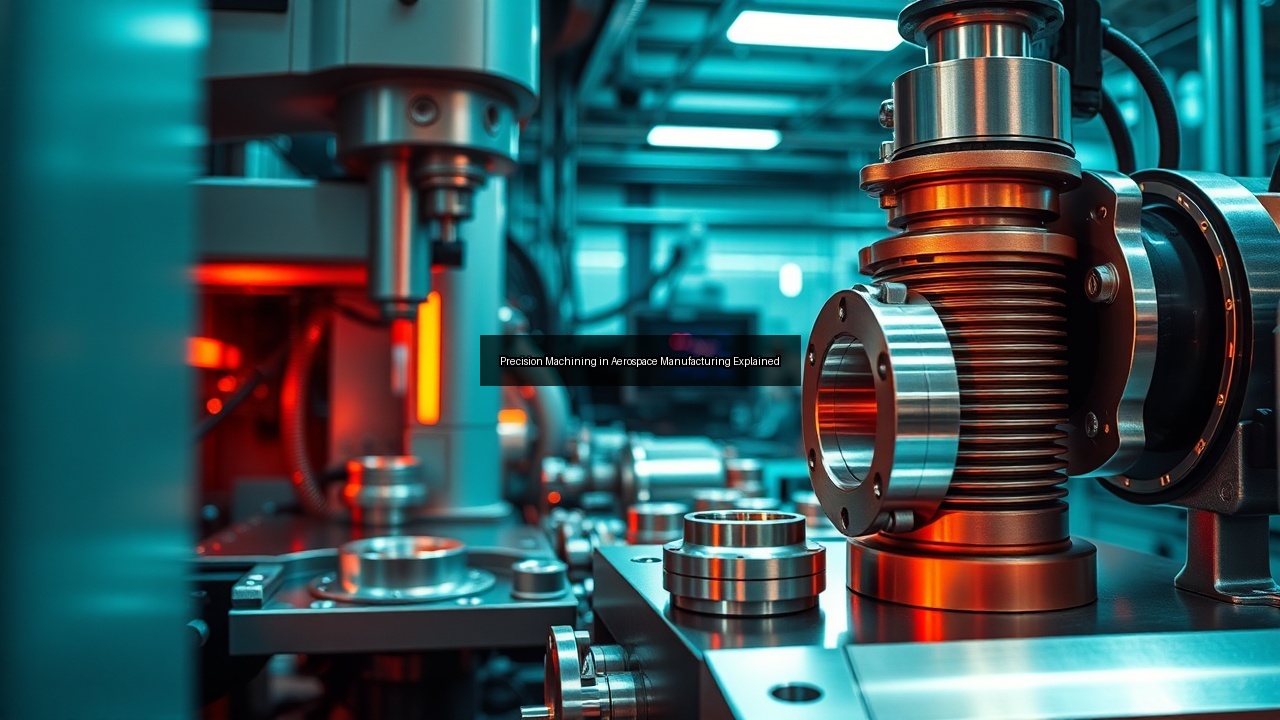
Overview of Precision Machining in Aerospace Manufacturing
Definition and Importance of Precision Machining
Precision machining refers to the process of manufacturing components with extremely tight tolerances and high accuracy, essential in industries demanding reliability and performance. In the aerospace industry, where safety, efficiency, and performance are paramount, precision machining plays a critical role. The ability to produce intricate components that meet exact specifications directly impacts the performance and reliability of aircraft. Manufacturers focus on achieving high precision to ensure that every part functions seamlessly within the complex systems of an aircraft, from propulsion to navigation. The precision of these components can mean the difference between a successful flight and catastrophic failure, making this aspect of aerospace manufacturing non-negotiable.
Role of Precision Components in the Aerospace Industry
Precision components serve as the backbone of aerospace manufacturing. These components include critical parts like actuators, valves, and sensors, which directly influence the aircraft's operational capabilities. Each component must not only perform its intended function but also withstand extreme conditions, such as high temperatures and pressures, as well as rigorous mechanical stresses. For instance, titanium and advanced alloys are commonly used due to their exceptional strength-to-weight ratios and resistance to corrosion. The aerospace industry relies heavily on precision components to maintain performance standards, enhance fuel efficiency, and reduce emissions, ultimately contributing to a more sustainable future in aviation.
Key Materials Used in Aerospace Machining
Aerospace machining employs a variety of materials, each selected for its unique properties that meet the stringent requirements of the industry. Common materials include titanium, aluminum alloys, and composite materials. Titanium stands out for its strength and lightweight characteristics, making it ideal for aerospace applications where weight savings are crucial. Aluminum alloys are another favorite due to their machinability and corrosion resistance. Composites, often used in modern aircraft, offer reduced weight and enhanced performance, while also providing high resistance to environmental factors. Understanding the properties of these materials allows aerospace engineers to design and manufacture components that not only meet but exceed industry standards, ensuring the safety and efficiency of aircraft.
Standards and Certifications in Aerospace Manufacturing
Understanding AS9100 and ISO 9001 Certifications
Certifications like AS9100 and ISO 9001 establish quality management systems that aerospace manufacturers must adhere to. AS9100, specifically tailored for the aerospace industry, incorporates additional requirements on top of ISO 9001 standards, focusing on safety, reliability, and performance. Manufacturers that achieve AS9100 certification demonstrate their commitment to maintaining high-quality production processes and continuous improvement. ISO 9001, recognized globally, provides a broader framework for quality management across various industries. In aerospace manufacturing, these certifications ensure that companies systematically approach quality control, which is vital for producing aerospace components that can endure the rigorous demands of flight.
NADCAP Compliance for Aerospace Manufacturers
NADCAP, or the National Aerospace and Defense Contractors Accreditation Program, serves as a pivotal compliance standard in aerospace manufacturing. It focuses on special processes, ensuring that manufacturers adhere to stringent quality assurance protocols. Components that undergo processes like welding, heat treatment, and non-destructive testing must meet NADCAP standards to be deemed acceptable for use in aerospace applications. This compliance guarantees that manufacturers maintain the highest levels of precision and safety, reducing risks associated with faulty components. By prioritizing NADCAP compliance, aerospace manufacturers enhance their credibility and reliability in a competitive market where quality directly impacts safety.
Quality Management Systems in Aerospace Manufacturing
Quality management systems (QMS) in aerospace manufacturing are essential frameworks that govern the production process. These systems integrate various quality assurance practices, ensuring that every aspect of manufacturing meets or exceeds established standards. A robust QMS includes detailed documentation, regular audits, and continuous training for employees. Effective QMS not only enhances product quality but also improves operational efficiency, reducing waste and costs. Additionally, traceability within the QMS allows manufacturers to track components throughout the supply chain, ensuring that any issues can be quickly identified and resolved. This level of oversight fosters a culture of quality that is vital for maintaining the integrity of aerospace components.
Quality Control and Assurance in Aerospace Components
Manufacturing Tolerances and Their Importance
Manufacturing tolerances dictate the permissible limits of variation in a manufactured part. These tolerances are crucial in aerospace, where even minute discrepancies can lead to catastrophic failures. Aerospace engineers specify tight tolerances to ensure that every component fits perfectly within the larger assembly, maintaining the structural integrity and performance of the aircraft. For example, components like valves and actuators must operate with precision to ensure responsive control systems. By establishing and adhering to stringent tolerances, manufacturers can guarantee that each part meets the rigorous standards required for safe aviation.
Inspection Techniques for Aerospace Parts
Inspection techniques play a vital role in ensuring the quality of aerospace components. Manufacturers employ various methods, including visual inspections, dimensional checks, and non-destructive testing (NDT) techniques such as ultrasonic and radiographic testing. These inspections occur throughout the manufacturing process to catch defects early and prevent nonconforming parts from reaching assembly lines. Advanced technologies, like automated inspection systems, enhance accuracy and efficiency, allowing for rapid validation of parts against specifications. Rigorous inspection protocols contribute to the overall reliability of aerospace components, ensuring that they perform flawlessly under operational stresses.
Traceability in Aerospace Supply Chain Management
Traceability in the aerospace supply chain is crucial for identifying the origins and history of each component. Effective traceability systems allow manufacturers to track materials from suppliers through every stage of production. This level of oversight is essential for quality control, especially when dealing with complex components that undergo various manufacturing processes. If a defect arises, traceability enables manufacturers to pinpoint the source, whether it’s a specific batch of materials or a particular production process. Maintaining robust traceability supports compliance with industry regulations and fosters trust among stakeholders, ensuring that all aerospace components meet the highest safety and performance standards.
Innovations and Trends in Aerospace Precision Machining
Emerging Technologies in Aerospace Fabrication
The aerospace manufacturing sector continually embraces emerging technologies to enhance precision machining. Additive manufacturing, commonly known as 3D printing, revolutionizes how components are produced, allowing for complex geometries that traditional machining cannot achieve. This technology reduces material waste and shortens lead times, making it an attractive option for aerospace applications. Computer Numerical Control (CNC) machining also evolves, incorporating advanced software for improved accuracy and efficiency. Innovations in materials, such as the development of lightweight composites, further enhance the capabilities of aerospace components, enabling manufacturers to push the boundaries of design and performance.
The Role of Aerospace Engineers in Component Design
Aerospace engineers play a pivotal role in the design of aerospace components. They ensure that each part meets the required specifications while also considering factors such as weight, strength, and manufacturability. Engineers employ advanced simulation tools to test designs virtually before production, identifying potential issues early in the process. Collaboration with manufacturing teams allows engineers to optimize designs for efficient machining and assembly, ultimately improving production timelines. By integrating engineering expertise with manufacturing knowledge, aerospace engineers help create components that are not only high-performing but also cost-effective, meeting the demands of an evolving industry.
Future of Aerospace Components: Composites and Alloys
The future of aerospace components lies in the continued advancement of composites and advanced alloys. These materials promise to deliver improved performance characteristics, including reduced weight and enhanced durability. Aerospace manufacturers increasingly incorporate composites, which offer high strength-to-weight ratios, into their designs. Innovations in alloy formulations also contribute to the development of components that can withstand extreme conditions while maintaining structural integrity. As the aerospace industry faces challenges related to fuel efficiency and environmental sustainability, the integration of these materials will be essential for creating the next generation of aircraft parts. Ongoing research and development in this area will drive the evolution of aerospace technology, ensuring that manufacturers stay competitive in a rapidly changing landscape.