Infrared Technology in Temperature Control Solutions
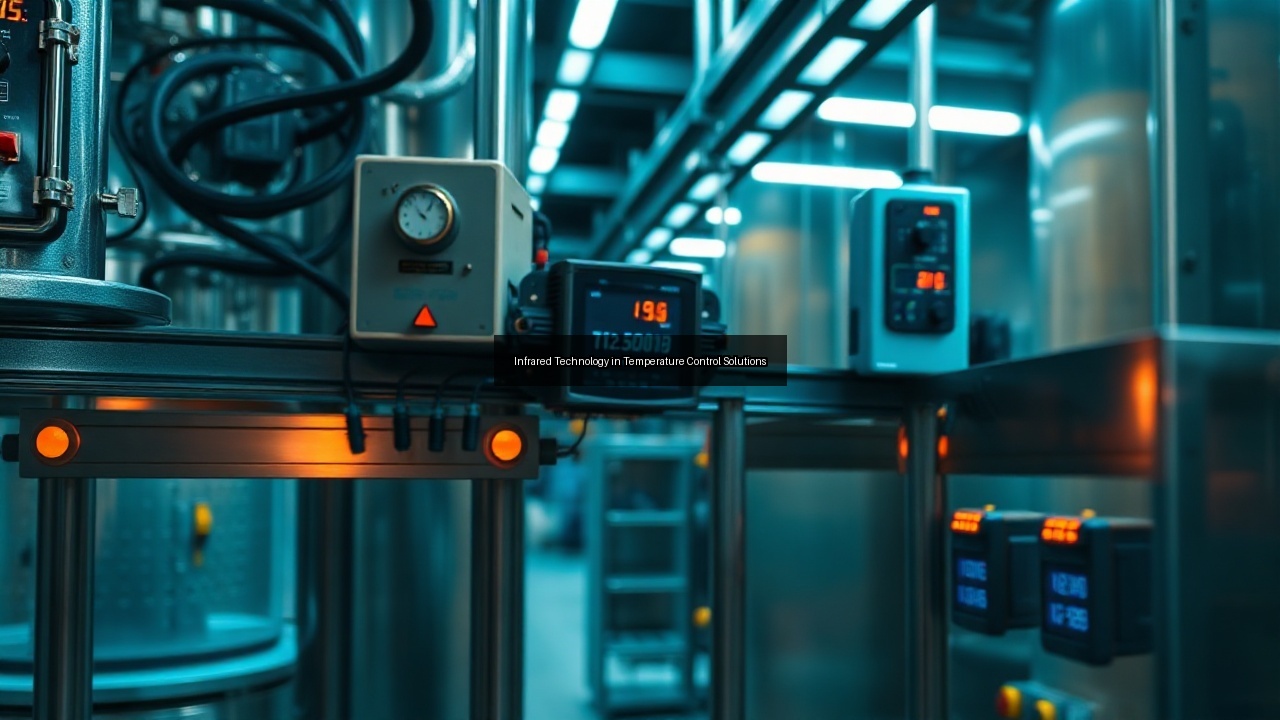
Understanding Infrared Technology in Temperature Control
The Basics of Infrared Temperature Measurement
Infrared technology leverages the infrared radiation emitted by objects to determine their temperature without direct contact. This non-invasive measurement technique offers significant advantages in industrial applications where traditional sensors may struggle. Infrared thermometers detect the intensity of infrared radiation, converting it into a temperature reading. This method proves especially useful in high-speed processes, where contact sensors may lag or interfere with operations. Infrared temperature measurement excels in environments with moving parts or hazardous materials, providing quick and accurate readings that enhance safety and efficiency.
Advantages of Infrared Technology in Process Control
Infrared technology delivers numerous benefits in process control systems. Firstly, it minimizes the risk of contamination, as it requires no direct contact with the measured surface. This capability is crucial in industries such as food and pharmaceuticals, where hygiene is paramount. Secondly, infrared sensors offer rapid PID controller options response times, allowing for real-time monitoring and adjustments. This immediacy enables operators to maintain optimal temperature conditions and prevent potential failures. Additionally, infrared technology supports a wide measuring range, making it suitable for various applications—from monitoring temperature in a small electronic component to assessing the heat of large industrial equipment.
Comparative Analysis: Infrared vs. Traditional Temperature Sensors
When comparing infrared sensors to traditional temperature measurement devices like thermocouples or resistance temperature detectors (RTDs), significant differences emerge. Traditional sensors often require direct contact with the target, which can affect their accuracy and lead to wear over time. Infrared sensors, on the other hand, measure surface temperatures without physical interference, enhancing their longevity and reliability. While thermocouples are known for precision, infrared technology shines in speed and versatility. Moreover, infrared devices can measure temperature from a distance, which is advantageous in hazardous locations or inaccessible areas. Ultimately, the choice between infrared and traditional sensors depends on specific application requirements.
Key Components of Process Temperature Controllers
PID Control and Its Importance in Temperature Regulation
Proportional-Integral-Derivative (PID) control stands at the core of effective temperature regulation in industrial processes. This control method calculates the error between the desired set point and the measured temperature, then applies corrective actions based on proportional, integral, and derivative values. The proportional component addresses the present error, the integral component considers past errors, and the derivative anticipates future errors. Together, these elements create a balanced approach to temperature control, ensuring minimal fluctuations and maintaining precision. Implementing PID controllers enhances system stability and efficiency, making them a preferred choice in process temperature controllers.
Thermocouples: The Backbone of Temperature Measurement
Thermocouples serve as one of the most fundamental temperature measurement devices in industrial settings. These sensors consist of two different metals joined at one end, generating a voltage proportional to the temperature difference between the junction and the other end. Thermocouples offer a wide temperature range and quick response times, making them suitable for various applications, including HVAC systems and manufacturing processes. Their durability under harsh conditions further solidifies their role as the backbone of temperature measurement. When paired with advanced process temperature controllers, thermocouples provide accurate and reliable data critical for maintaining optimal temperature settings.
Exploring RS-485 and Modbus for Communication in Controllers
Effective communication between temperature controllers and other devices enhances automation and process efficiency. RS-485 and Modbus protocols are instrumental in achieving this connectivity. RS-485 enables long-distance communication and supports multiple devices on a single bus, making it ideal for industrial environments. Modbus, a widely adopted communication protocol, facilitates data exchange between process temperature controllers and supervisory systems. By utilizing these technologies, operators can monitor and adjust temperature settings remotely, ensuring streamlined operations and quick response to any deviations. Integrating RS-485 and Modbus into temperature control systems significantly enhances automation capabilities.
Types of Process Temperature Controllers
DIN-Rail vs. Panel-Mount Controllers: Choosing the Right Style
Choosing the right style of process temperature controller—DIN-Rail or panel-mount—depends on specific application needs and installation environments. DIN-Rail controllers are designed for easy mounting on standardized rails, enabling efficient use of space in control cabinets. They offer a compact solution for environments where space is limited. Panel-mount controllers, conversely, are installed directly onto control panels, providing easy access for monitoring and adjustments. Both types deliver essential features for regulating temperature in industrial applications, but the choice often hinges on factors like available space, accessibility, and installation preferences.
Surface-Mount Control Options for Space Efficiency
Surface-mount control options provide a versatile solution for temperature regulation in compact spaces. These controllers are designed to be mounted directly onto surfaces, offering a streamlined profile that conserves space while maintaining functionality. Industries that require efficient use of space, such as electronics and automotive, benefit from these controllers. Surface-mount models come equipped with modern features like digital displays and programmable settings, allowing for precise temperature management. Their design also facilitates easy installation and maintenance, making them a practical choice for various industrial applications focused on efficiency and control.
PC-Programmable Controllers: Customization and Flexibility
PC-programmable controllers elevate temperature control solutions, allowing for greater customization and flexibility. These controllers can be programmed through software interfaces, enabling users to set specific temperature process controls profiles, schedules, and control algorithms tailored to their processes. This adaptability is particularly beneficial in industries with varying temperature requirements, such as food processing or chemical manufacturing. With features that allow for data logging and remote monitoring, PC-programmable controllers support advanced automation systems. They enhance operational efficiency and help maintain accuracy in temperature management, making them a valuable tool for modern industrial applications.
Precision and Calibration in Temperature Control Solutions
Achieving Accuracy in Temperature and Humidity Measurement
Precision in temperature and humidity measurement plays a critical role in various industrial processes. Accurate readings ensure that products meet quality standards and that processes operate within safe parameters. Modern temperature control solutions integrate advanced sensors and algorithms to enhance measurement accuracy. These systems can be designed to monitor not only temperature but also humidity, facilitating comprehensive environmental control. By implementing precise measurement techniques, industries can improve product quality, enhance safety protocols, and reduce waste. The integration of advanced technology in temperature and humidity measurement is essential for maintaining operational excellence.
Calibration Techniques for Reliable Temperature Control
Calibration is vital for ensuring reliability in temperature control systems. Regular calibration of sensors and controllers maintains accuracy over time, preventing drift that could compromise operations. Techniques such as comparing against standard reference points or utilizing calibration baths are common practices. Automated calibration systems offer convenience and repeatability, ensuring that temperature measurements consistently align with known standards. Effective calibration practices contribute to enhanced process control, minimizing the risk of errors and improving overall system performance. Industries benefit from establishing robust calibration protocols to ensure long-term reliability and accuracy in their temperature control solutions.
Configurable Inputs and Outputs for Enhanced Automation
Configurable inputs and outputs (I/O) in temperature control solutions significantly enhance automation capabilities. These features enable users to tailor the system to specific operational needs, integrating various sensors and control devices. For example, a process temperature controller may accept inputs from multiple thermocouples, allowing for comprehensive monitoring of different areas within a system. Similarly, configurable outputs can connect to actuators or alarms, facilitating immediate responses to temperature deviations. By leveraging customizable I/O capabilities, industries can optimize their automation processes, achieving a higher level of efficiency and control in temperature management.